
Siem Reap, aka “Siam Conquered” in Khmer, is so-named in reference to the centuries long rivalry between Siam (Thailand) and Cambodia.
I’ve chosen, out of ignorance, to come here during the 3rd hottest month of the year. The second hottest will be next month. The third hottest will be the month after next. It is profoundly hot (90+ degrees) and difficult to stay meaningfully hydrated. This means it’s harder to eat all this amazing food, there are few air conditioned spaces, my desire to visit any temple after noon is rapidly approaching zero, and if climate change raises the temperature here even a little, I do not think this country will be habitable.
Beware ExPats: Siem Reap is full of tourists, but the ex-pat community is really something to remark on. They remind me of my old friend John Eisenbarth, a middle-aged gay Trump-supporting conspiracy theorist from South Carolina who hates himself almost as much as he hates “purple haired liberals” and transgender people. John loves Siem Reap. This city is full of Johns. My guess is the average age of this expat community is 57. Everywhere you go, white-haired old men in tank tops talk nonstop shit about their back pain and their hatred of immigrants while they haggle over bill differences amounting to 25 cents. Their insufferable dispositions has invariably resulted in their excommunication from their home counties to Cambodia, a land where they can live out their miserable close-minded existences binging on 50 cent beers and arguing about whether the Earth is really a globe or the moon landing was a hoax. I pray the heat takes these old men as soon as possible. In short: the expat community here is gawdawful.
The Cambodian’s accept both USD and Cambodian riel ៛. The currency is kept in strict relation to the American dollar, so 4,000 riel = 1 dollar, which ends up being an easy conversion (10k = 2.5 dollars; 100k = 25 dollars—very rarely will a merchant accept a 100k note). The purchasing power parity here is absurd: everything costs about 2 dollars +/- 1 dollar.
A local beer? 50 cents.
A half hour massage? 3 dollars.
Dinner at a fancy restaurant? 15 dollars.
A haircut with shave and wash? 6 dollars.
The poverty in Cambodia is significantly more severe. You cannot walk down a street without being constantly asked if you want a tuktuk, or a massage, or to eat, or to buy a trinket from a child—the children are extremely adorable and it is nearly impossible to say no to them, especially when the stakes are 25 cents. I just keep a pocket full of 1000 riel notes (25 cents), because I don’t know how to say no to these kids. Prostitution is rampant here in Cambodia, and drugs are illegal but easy to access and unlikely to be punished unless one is behaving very poorly. I hope none of this comes across as judgmental on my part. When you’re country survives the bombings of America (fuck you, Kissenger) and the killing fields of Pol Pot (~1-2 million people of a population of ~8 million), well, no one bounces back from that in a generation, much less two (more on this later)).
The Khmer Empire is fantastic and I look forward to seeing Angkor Wat tomorrow (I’ll return to reflections on that once I’ve seen it).
However, I do want to say one thing about the Khmer Rouge: what a redundant example of how easy it is to use an appeal to a ethno-historic lineage to justify literally any type of authoritarian government. White people russian people khmer people german people indian people chinese people japanese people british people neverending examples of every people, so suceptable to being convinced that their genetics, their particular invented history, their appeal to the Roman empire, or Khmer empire (in this case)—this sort of fascisim is the lowest common denominator of political populism worldwide and I know of no solution for this repeated redundant mistake apart from education and pluralism.
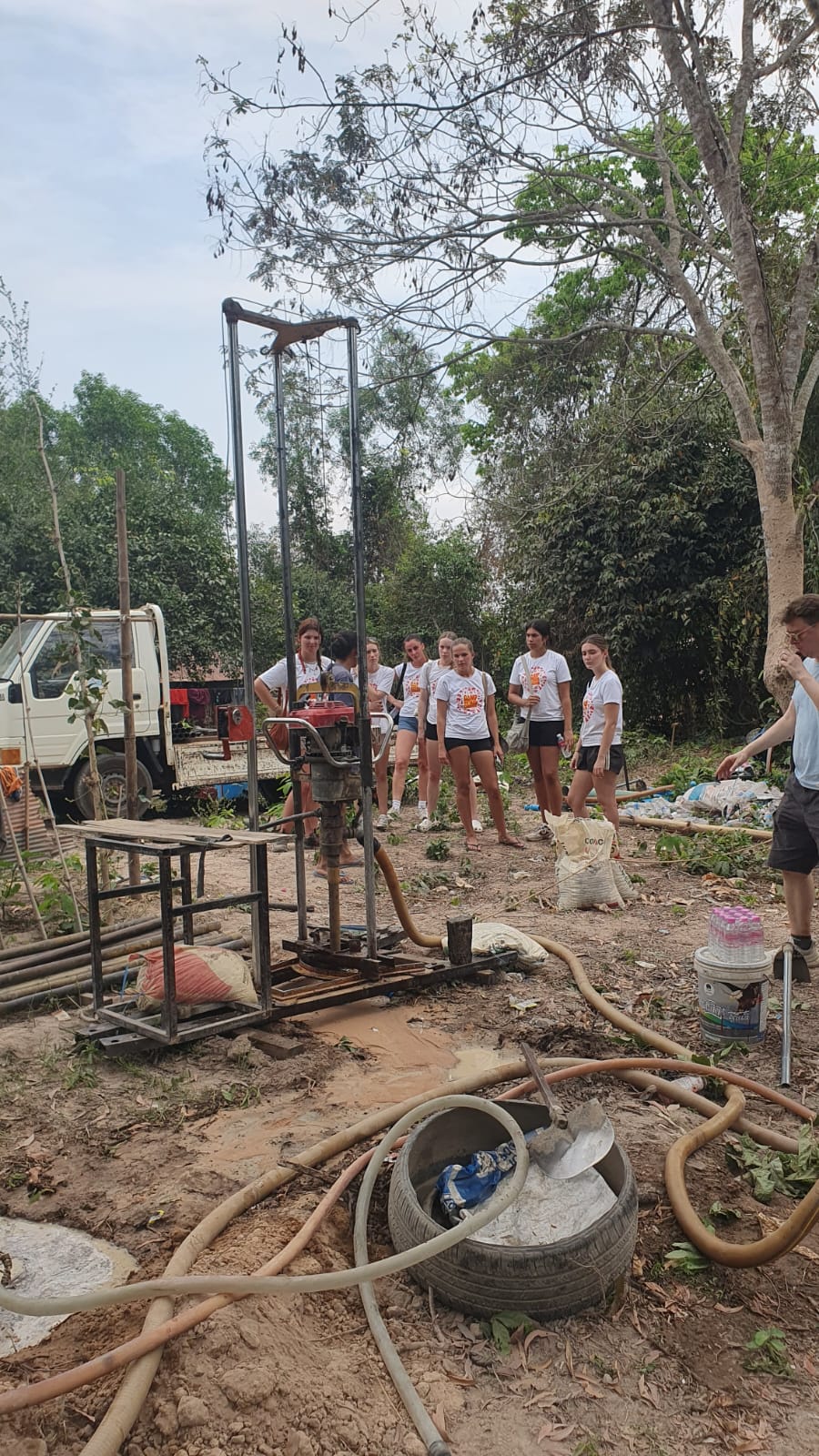
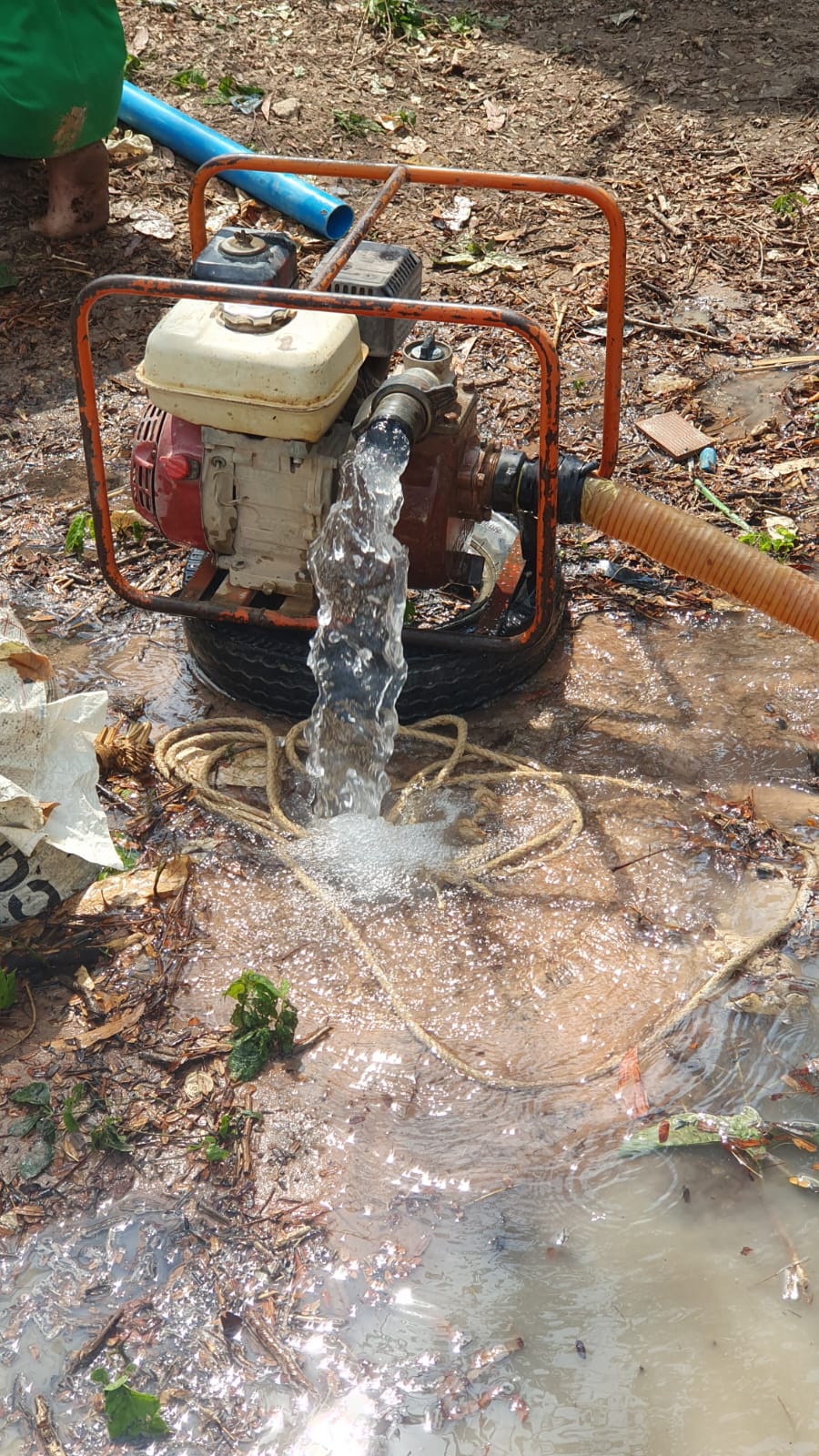
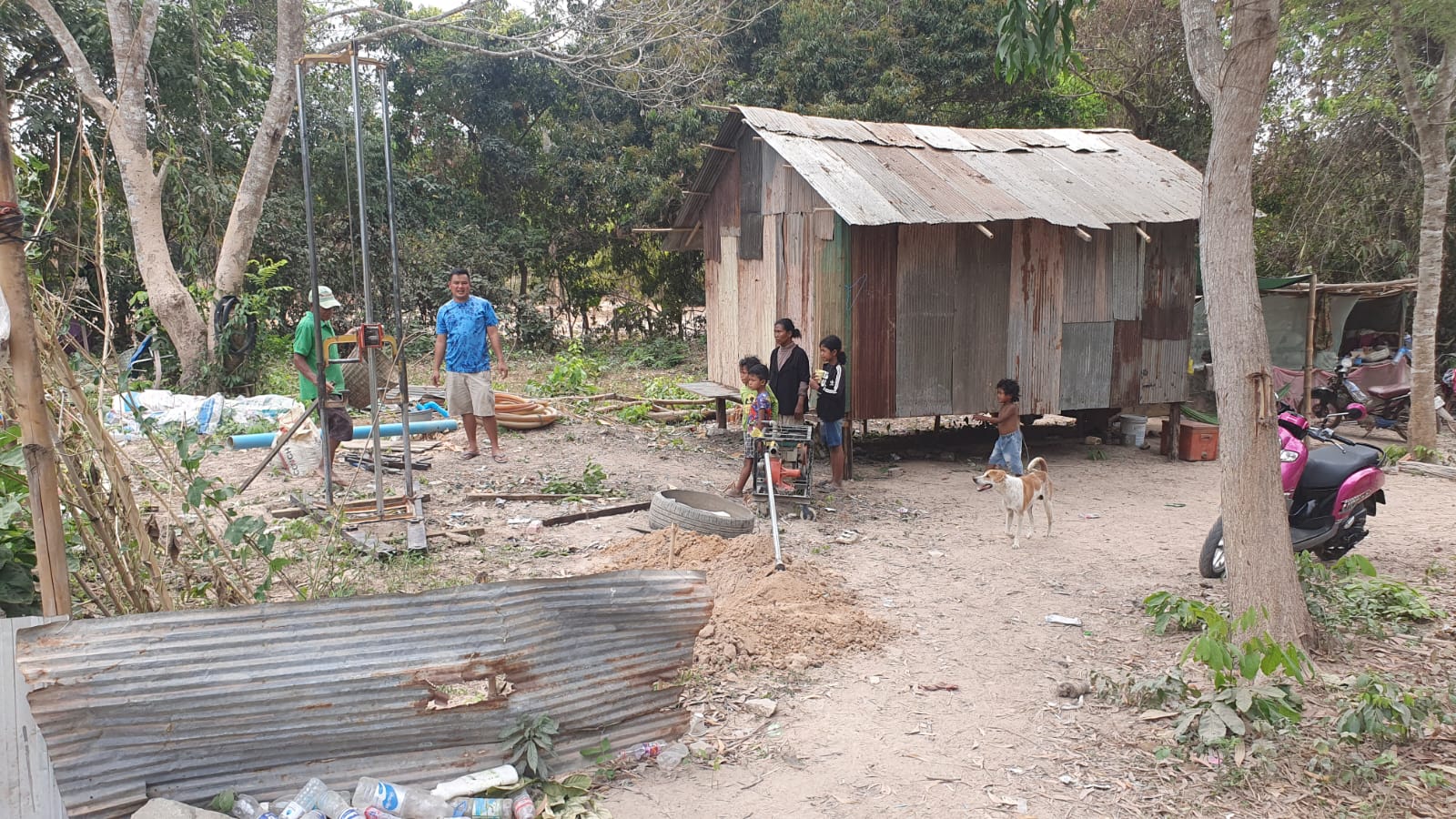
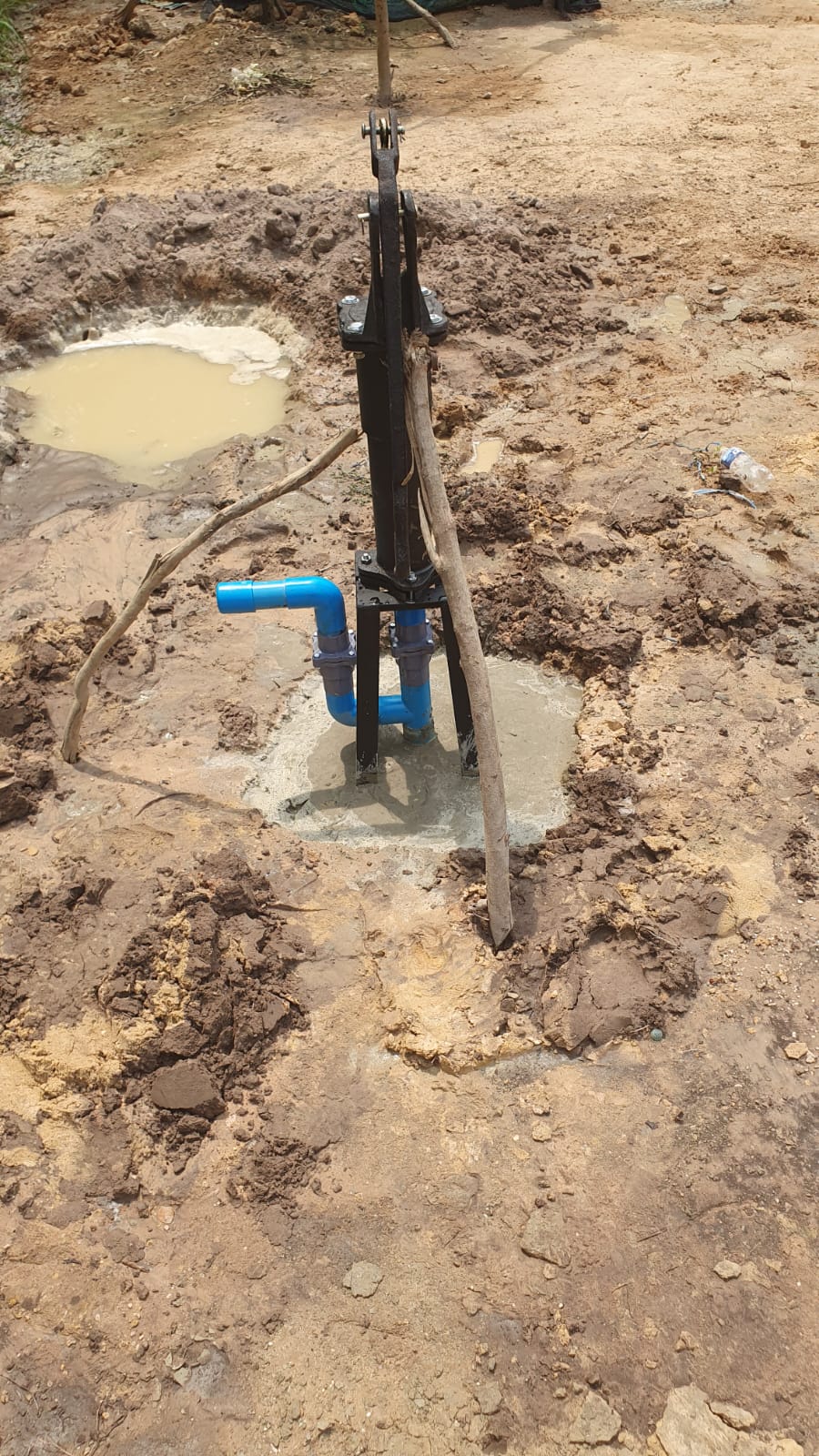
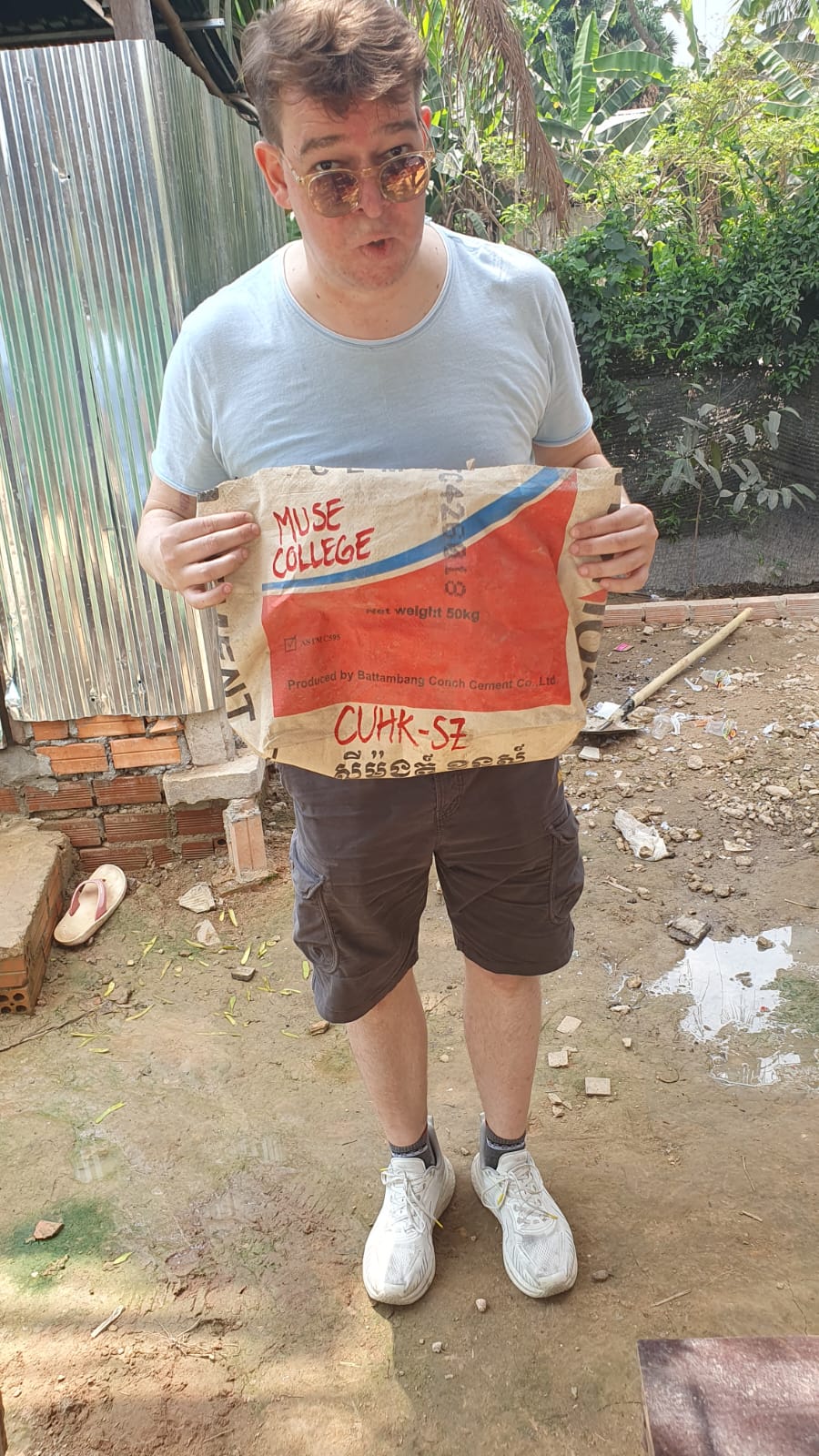
Side quest: I did not go to Angkor Wat “tomorrow” as I said two days ago. Instead I met some Dutch guys who come to Cambodia frequently, not to be Johns, but rather, to drill private wells for rural Cambodian families. They’ve drilled some 450+ wells in the past 12 years, and they invited me along to watch the process. So I canceled my Angkor Wat plans and tagged along. We rented scooters and rode well north of the Angkor temple region (exactly where I am not sure) and I got to watch as they put the finishing touches on one pump well, and then drilled a 25-30 meter deep hole for the second. Each well costs about $450 dollars to install (and those are the premium wells that come with electric pumps). Needless to say I was inspired, and I hope to work with these guys more in the future, perhaps through some joint charity venture with my university—surely CUHK-SZ can help raise 3,000 yuan for a well. For a country where so many people lack electricity and fresh water, and certainly the 400 dollars one needs to install a well, this is a big deal.
Some answerable questions I’d like to know the answer:
1) to what extent is the poverty experienced in Cambodia a result of Pol Pot’s genocide? Subquestions: who is more responsible for Pol Pot’s rise to power: the Americans bombing of rural Cambodia into a radical peasant army (Kissinger, again); or the billions of dollars of support from Community China (Mao)?
Here’s my weak understanding of Cambodian History up to Pol Pot
The collapse of the Khmer Empire was devastating.
“Epigraphy in temples, ends in the third decade of the fourteenth, and does not resume until the mid-16th century. Recording of the Royal Chronology discontinues with King Jayavarman IX Parameshwara (or Jayavarma-Paramesvara) – there exists not a single contemporary record of even a king’s name for over 200 years.” Yikes. Looks like continual competition with Siam (Thailand) and Vietnam led eventually to the control of Cambodia’s access to trade by water. Then the French basically colonized them, a deal with the devil: accept French support, and the French will reinstate the Monarchy; the Monarchy, in turn, will forever be hamstrung.
Then the Japanese conquered the whole region (WW2/1941-5).
Then the power vacuum left post-War led to a struggle between the monarchy, the communist supporters, and nationalists (led by Lon Nol). None of this situation is great, obviously, 600 years of empire followed by 600 years of tenuous political circumstances ultimately leads to the Chinese communists supporting Pol Pot / Khmer Rouge, the Americans unwittingly supporting the Khmer Rouge by carpet bombing Cambodia into oblivion:
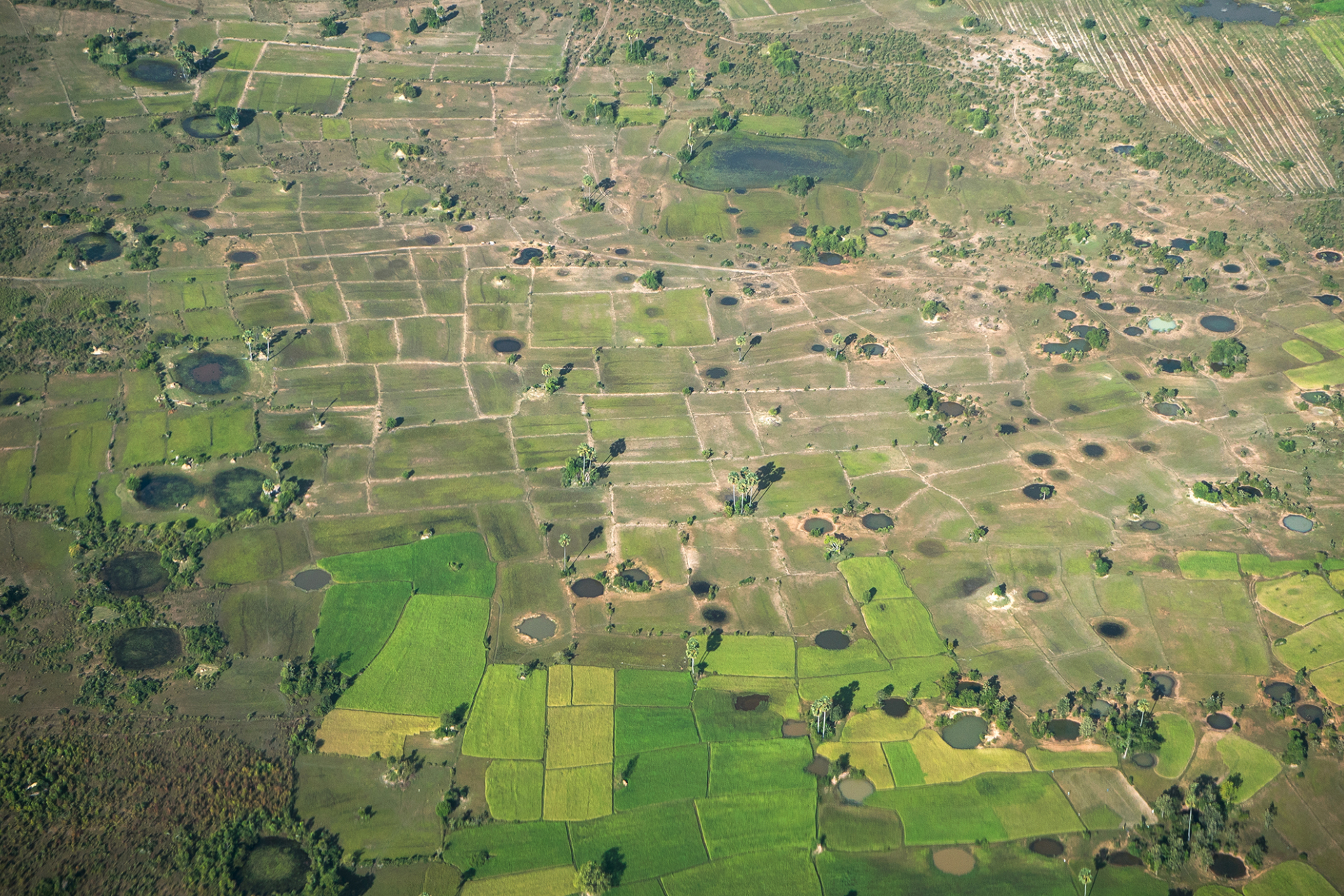
This allowed Pol Pot and the Khmer Rouge to seize total power, wielding an undisciplined army of poor pissed peasants towards the deadliest genocide of the Cold War. Pol Pot expunged 20-30% of the population, which included anyone with any sort of skills or knowledge, leaving a population without doctors, lawyers, politicains, scholars, historians, literacy, technology, you name it, Cambodia doesn’t have it. And it’s only really been 50 years since that happened.
The hundreds of thousands fled from the Pol Pot’s killing fields led to the Vietnamese invading and destroying the Khmer Rouge government, which led, in turn, to hundreds of thousands of Cambodians fleeing. In the 1970s, no one wants to be in Cambodia.
Modern Cambodian history really begins in the 1990s with Prime Minister Hun Sen, who essentailly has the power of a king, just not the title (the king is still the king).
2) What is the academic consensus about what circumstances led to the decline of the Khmer Empire? 600 years of Empire—800CE to 1400CE, not bad! 200 years longer than the Roman Empire. Preliminary scans of the internet suggest some possibilities. A) increasing threats from all sides i.e., Sukhothai, Chiang Mai region of Thailand; Ayutthaya, Bangkok region of Thailand; Lan Xang, Laos—yet hadn’t the Khmer successfully defended themselves from these neighbors for half a millennium? B) Climate change; the “Little Ice Age” roughly from 1300-1800 disrupted the regular seasonal rainy/dry seasons of Cambodia, disrupting canal systems, drainage systems, and food systems—the environmental studies schlub that I am likes this answer. C) Religious disruption – the pluralism of Hindhus and Buddhists was disrupted further by Theraveda Buddhists, a form of Buddhism less interested in accepting hierarchical cults of god-kings.
3) What was everyday life like in Khmer? Looking at all these fantastic temples, I wonder if there was anything left for the common people, of if all the wealth of this empire was invested in building massive structures to reinforce the cult of the god-king, and convince everyone else that this is the correct way that things ought to be. (If it weren’t, then why are there all these temples saying as much?)
Some concluding thoughts:
Cambodia made me sad. This is a country that hasn’t caught a single break in 700 years. My own county’s shameful participation in this history only adds to my sense of sadness. The ruins of Angkor, to me, serve more as reminders not just of an illustrious six hundred year past, but also of just how far the Cambodian people have been dragged down in this subsequent history. The contrast of these temples and the modern city of Siem Reap is deeply depressing. The contrast of Cambodian citizens doing their best to make a living and the sweaty white old ex-pats who prey on them dollar-by-dollar is deeply depressing.
A lovely people, lovely food, lovely land, lovely temples, lovely customs, lovely hospitality—a country that deserves better.
Categories: Uncategorized
 Evander Price